Hyperbaric Oxygen Chamber Maintenance Guide for Home and Commercial Users
oxyplus.au@gmail.com
Author
28 6 月, 2026
Published
10 min read
Reading time
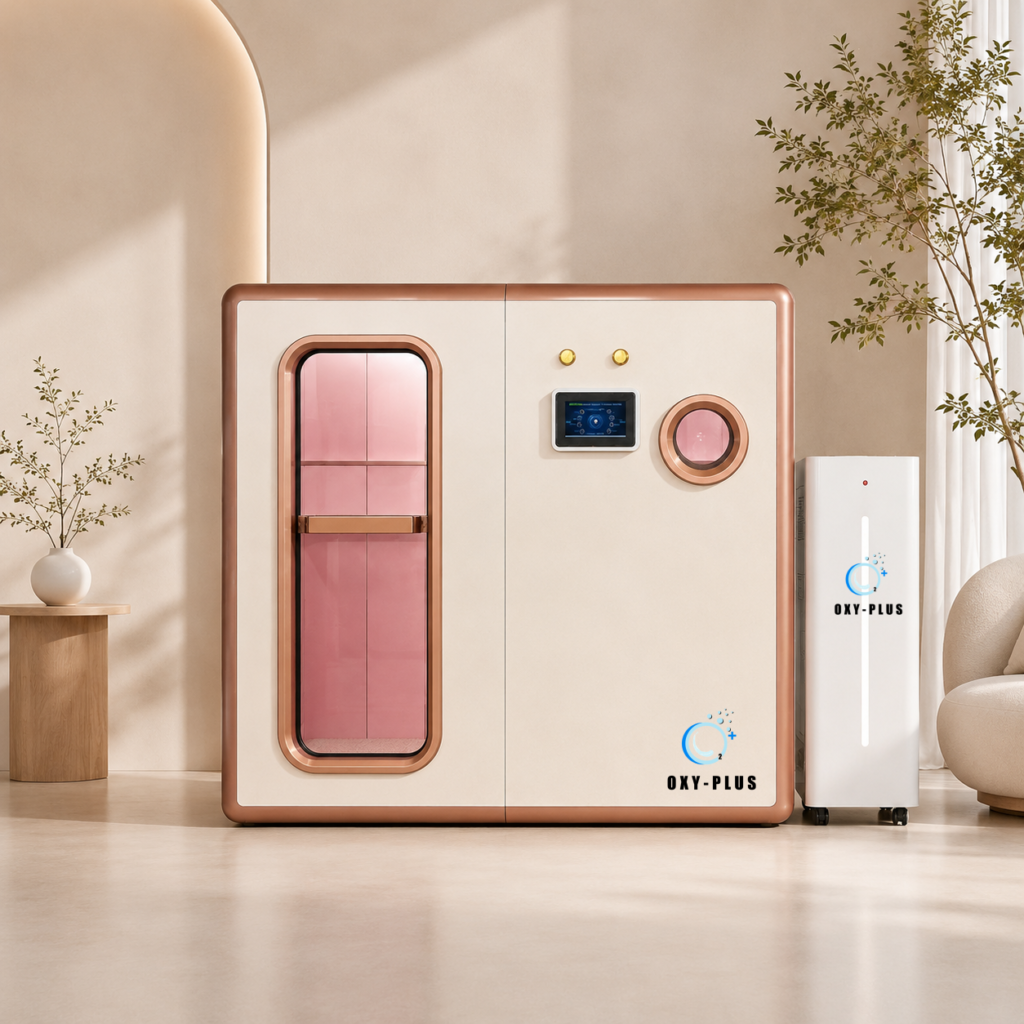
Whether you own a home hyperbaric oxygen chamber for personal wellness or manage multiple commercial units for a clinic or sports facility, consistent hyperbaric oxygen chamber maintenance is non-negotiable. Proper maintenance keeps your chamber running safely, extends its service life, maintains consistent oxygen levels and pressure, and prevents costly unexpected repairs. This guide covers everything Australian home and commercial chamber owners need to know, from daily checklists to scheduled servicing recommendations tailored to local Australian standards.
What Is Hyperbaric Oxygen Chamber Maintenance?
Hyperbaric oxygen chamber maintenance refers to the routine cleaning, inspections, part replacements, and professional servicing required to keep an HBOT device operating safely and effectively. It includes both user-performed tasks like daily cleaning and inspections, and professional HBOT maintenance work like pressure gauge calibration and system diagnostics.
This process covers every core component of your chamber: the external and internal cabin, seal gaskets, oxygen delivery system, filters, pressure controls, and safety features. For both home and commercial users in Australia, following a structured maintenance routine is required to keep your device compliant with safety standards and protect your investment.
Why Is Hyperbaric Oxygen Chamber Maintenance Important?
Consistent hyperbaric oxygen chamber maintenance is critical for several reasons that impact safety, performance, and long-term cost. First, poorly maintained chambers face higher risks of pressure leaks, inconsistent oxygen delivery, or even safety hazards that can put users at risk. Second, regular maintenance extends the lifespan of your chamber, protecting your initial investment and delaying the cost of a replacement.
For commercial facilities in Australia, proper equipment maintenance is also required to meet local regulatory safety standards, and failing to keep up can result in compliance penalties or shutdowns. Even for home users, skipped maintenance can lead to reduced HBOT effectiveness, unexpected breakdowns, and expensive emergency repairs that could have been avoided with simple routine care.
Key Factors for an Effective Hyperbaric Oxygen Chamber Maintenance Routine
Building a consistent maintenance routine depends on addressing these core priorities:
Chamber Placement and Environmental Conditions
Your chamber should always be placed in a cool, dry area away from direct sunlight, high humidity, or extreme temperature fluctuations. Excess heat or moisture can damage seal gaskets, erode cabin coatings, and promote mold growth inside the chamber, speeding up wear and tear.
Consistent Cleaning Frequency
Cleaning should be scheduled based on how often you use the chamber. Home units used 3-5 times per week need basic cleaning after every use, while commercial units used multiple times per day require deep cleaning between each user. Skipping cleaning leads to buildup of dirt, oils, and bacteria that can damage components over time.
Compatibility of Cleaning Products
Only use mild, neutral detergents and soft lint-free cloths for hyperbaric chamber cleaning. Harsh abrasive cleaners, bleach, or rough scouring pads can scratch the cabin coating, damage rubber seals, and leave corrosive residue that degrades parts early.
Professional Servicing Intervals
Follow the manufacturer’s recommended schedule for professional inspections and servicing. Do not skip required professional maintenance to save money—small issues caught early are far cheaper to fix than major system failures.
Record Keeping
Keep a detailed log of all cleaning, inspections, part replacements, and professional HBOT service. This helps you track wear patterns, identify recurring issues early, and provides proof of compliance for commercial facilities in Australia.
Common Scheduled Hyperbaric Oxygen Chamber Maintenance Tasks by Frequency
Most maintenance routines are split into three categories based on how often tasks need to be performed:
Daily Maintenance (After Every Use)
Daily tasks are quick user-performed checks and cleaning for any chamber, regardless of home or commercial use. This includes wiping down all internal contact surfaces (seats, armrests, inner walls), airing out the chamber to reduce moisture buildup, and checking for obvious signs of damage or debris before and after use. For commercial chambers, you will also need to sanitize reusable equipment like masks between users.
Monthly/Quarterly Maintenance
Every 3 to 6 months, you should complete more in-depth inspections and part replacements. This includes checking all seal gaskets for wear, cracks, or brittleness, testing the oxygen system for leaks, replacing air and oxygen filters, and deep cleaning the external cabin surface. For home users, this is typically a 30-minute process that prevents major issues down the line.
Annual Professional Maintenance
Every 12 months, all chambers (both home and commercial) require a full professional inspection. For commercial facilities in Australia, this includes mandatory calibration of pressure gauges, oxygen concentration monitors, and safety valves, as well as testing of all emergency systems. Commercial chambers also require annual inspection of fire safety equipment and grounding systems to meet Australian safety standards.
How to Create a Custom Hyperbaric Oxygen Chamber Maintenance Routine
Your ideal routine will depend on whether you use your chamber at home or for commercial purposes, and how often you use it.
For home users: If you use your chamber 1-3 times per week for personal wellness or sports recovery, stick to this schedule: complete daily cleaning and a quick visual check after every use, replace filters every 4-6 months, inspect seals every 3 months, and book annual professional HBOT service with a trusted Australian provider like Oxy-Plus. If you use your chamber daily, reduce filter replacement interval to 3 months.
For commercial users: If you operate a clinic, wellness center, or sports facility with multiple daily users, you will need a more rigorous routine. Complete full hyperbaric chamber cleaning and a pre-use inspection between every client, check seals weekly, replace filters every 2-3 months, and schedule bi-annual professional maintenance to keep up with heavy use. All commercial facilities in Australia must also complete annual mandatory calibration of all measuring instruments to meet regulatory requirements.
No matter your use case, always follow the specific maintenance guidelines provided by your chamber manufacturer, and reach out to a qualified provider like Oxy-Plus if you notice any unusual performance, such as slow pressure changes or persistent air leaks.
Common Maintenance Mistakes and How to Avoid Them
Even well-intentioned chamber owners can make these common mistakes that put their device at risk:
1. Using the wrong cleaning products: Many owners use bleach or abrasive cleaners to sanitize their chamber, which erodes rubber seals and scratches acrylic or vinyl cabin surfaces. Always stick to mild neutral detergent and soft cloths for all hyperbaric chamber cleaning.
2. Ignoring minor seal wear: A small crack or brittleness in a seal gasket can quickly turn into a major pressure leak that forces the chamber to shut down. Inspect seals regularly, and replace them at the first sign of wear instead of waiting for a leak to develop.
3. Skipping professional annual service: Many home owners assume that if their chamber works, it doesn’t need annual professional maintenance. Unaddressed issues like inaccurate pressure gauges or hidden leaks can compromise safety and HBOT effectiveness over time.
4. Placing the chamber in the wrong environment: Putting a chamber in a bathroom, garage, or outdoor area exposes it to high humidity and temperature swings that speed up wear. Always keep your chamber in a temperature-controlled, low-humidity indoor space.
5. Hiring unqualified service technicians: In Australia, not all equipment service providers have specific training working with hyperbaric oxygen chambers. Unqualified technicians can miss critical safety issues or make improper repairs that put your device at risk.
How Oxy-Plus Can Help With Your Hyperbaric Oxygen Chamber Maintenance in Australia
As a leading supplier of premium hyperbaric oxygen chambers across Australia, Oxy-Plus understands the unique needs of both home and commercial chamber owners. Oxy-Plus provides comprehensive HBOT service and maintenance support for all Oxy-Plus sold chambers, with experienced technicians trained to work with all types of HBOT equipment across the country.
Oxy-Plus can help you schedule annual professional inspections, calibrate your gauges and monitoring equipment, source genuine manufacturer replacement parts, and diagnose and repair unexpected issues quickly. For new buyers purchasing a chamber from Oxy-Plus, we also provide a customized maintenance schedule tailored to your specific chamber model and use case, so you always know what tasks to complete and when.
Whether you need a one-off repair or ongoing scheduled maintenance for a commercial facility with multiple chambers, Oxy-Plus’s local Australian team can help you keep your chamber safe, compliant, and operating at peak performance for years to come. You can learn more about our maintenance and support services on our website at oxy-plus.com.au.
Frequently Asked Questions (FAQ)
How often should I replace the filters in my hyperbaric oxygen chamber?
For home users who use their chamber 3-5 times per week, filters should be replaced every 3-6 months. For commercial facilities with multiple daily users, filters should be replaced every 2-3 months. Always check your manufacturer’s guidelines, and replace filters sooner if you notice reduced oxygen flow.
Can I clean my hyperbaric oxygen chamber with bleach?
No, you should never use bleach or harsh abrasive cleaners on your hyperbaric chamber. Bleach and other strong disinfectants can degrade rubber seal gaskets, damage acrylic or vinyl surfaces, and leave corrosive residue. Stick to a mild neutral detergent mixed with clean water, using a soft lint-free cloth for all hyperbaric chamber cleaning.
Do I need professional servicing for a home hyperbaric chamber?
Yes, even home hyperbaric chambers require annual professional inspection and maintenance. Professional technicians can check for hidden leaks, calibrate pressure gauges to ensure accuracy, and identify small issues before they become major problems. This keeps your chamber safe and extends its service life. Oxy-Plus offers annual service packages for home users across Australia.
Do commercial hyperbaric chambers require specific compliance for maintenance in Australia?
Yes, commercial hyperbaric facilities in Australia must follow regulatory requirements for annual safety inspections, instrument calibration, and maintenance record keeping. Working with a local experienced provider like Oxy-Plus ensures your maintenance meets all Australian standards and compliance requirements.
How do I know if my chamber seal needs to be replaced?
Signs that your seal needs replacement include visible cracks, brittleness, or tears in the rubber gasket, difficulty maintaining pressure inside the chamber, and audible air leaks around the chamber door. You should inspect your seal every 3 months for home use, and monthly for commercial use, and replace it at the first sign of wear.
Conclusion
Consistent hyperbaric oxygen chamber maintenance is the best way to protect your investment, keep your device safe, and ensure you get reliable, effective HBOT results for years to come. By following a structured routine of daily cleaning, regular user inspections, and annual professional servicing, you can avoid costly breakdowns and safety hazards.
Whether you are a new home buyer looking to build a maintenance routine, or a commercial facility manager needing reliable scheduled HBOT service in Australia, Oxy-Plus has the expertise and local support to help. Contact Oxy-Plus today to learn more about our maintenance services or to schedule your next professional chamber inspection.


