Hyperbaric Oxygen Chamber vs Oxygen Concentrator: What’s the Key Difference?
oxyplus.au@gmail.com
Author
28 6 月, 2026
Published
12 min read
Reading time

If you’re researching oxygen therapy equipment for wellness, recovery, or medical needs in Australia, you’ve likely encountered two common options: hyperbaric oxygen chambers and oxygen concentrators. While both devices involve oxygen delivery, they work very differently and are designed for entirely separate purposes. Many consumers confuse the two, assuming they deliver similar benefits, but choosing the wrong device can leave you without the results you need. In this guide, we’ll break down the core differences between a hyperbaric oxygen chamber vs oxygen concentrator, cover their intended uses, and help you decide which option fits your specific goals. We’ll also look at options for hyperbaric chambers in Australia to help you make an informed choice.
What Are Hyperbaric Oxygen Chambers and Oxygen Concentrators?
When comparing HBOT vs oxygen concentrator, it helps to start with clear definitions of each device.
A hyperbaric oxygen chamber is a sealed, pressurized enclosure used for hyperbaric oxygen therapy (HBOT). The entire chamber is pressurized above normal atmospheric pressure (1.0 ATA), typically between 1.1 and 3.0 ATA, allowing users to breathe 95-100% concentrated oxygen in a high-pressure environment. This unique condition forces oxygen to dissolve directly into blood plasma, increasing the amount of oxygen reaching tissues far more than standard oxygen delivery. Hyperbaric chambers range from large multi-place units for clinical use to smaller portable units for at-home wellness use.
An oxygen concentrator is a compact, portable medical device that filters and concentrates oxygen from ambient room air. It delivers increased concentration oxygen (usually 25% to 55% maximum) through a nasal cannula or face mask at normal atmospheric pressure. It does not create a pressurized environment—instead, it simply increases the percentage of oxygen in the air you breathe compared to the 21% found in regular room air. Oxygen concentrators are most commonly used for at-home oxygen therapy for people with chronic respiratory conditions.
Why Understanding Hyperbaric Oxygen Chamber vs Oxygen Concentrator Differences Matters
Choosing between these two oxygen therapy equipment options without understanding their differences can lead to wasted money, ineffective treatment, or even safety risks.
For example, if you’re seeking HBOT for sports recovery, wound healing, or neurological rehabilitation, a standard oxygen concentrator cannot replicate the pressurized environment that creates HBOT’s unique therapeutic effects. Conversely, if you need continuous supplemental oxygen for chronic obstructive pulmonary disease (COPD) or another chronic respiratory condition at home, a hyperbaric chamber is not designed for ongoing daily use and will not meet your needs.
Understanding these differences also helps you plan for costs, space requirements, and proper use. Both devices require an investment, so matching the device to your intended use is critical for getting the outcomes you want. For Australian buyers looking for quality hyperbaric equipment, working with a trusted supplier like Oxy-Plus ensures you get a chamber that meets your wellness or commercial needs.
Key Differentiating Factors Between Hyperbaric Oxygen Chambers and Oxygen Concentrators
When comparing a hyperbaric oxygen chamber vs oxygen concentrator, these are the most important factors that set them apart:
1. Design and Physical Structure
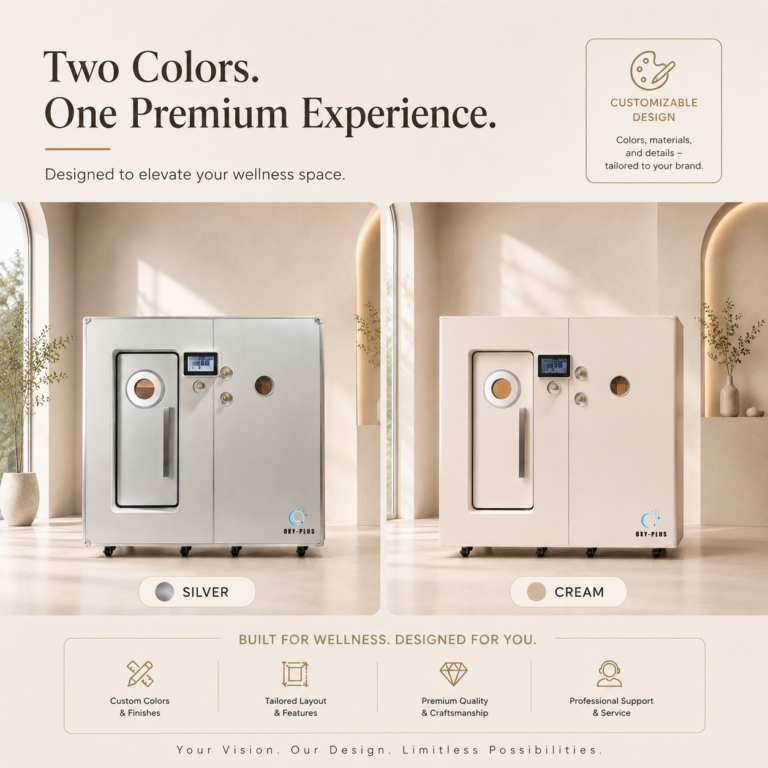
Hyperbaric oxygen chambers are sealed, enclosed units designed to hold internal pressure. Hard-shell chambers are rigid, while mild portable chambers use reinforced flexible materials that maintain pressure when inflated. Most full-sized chambers are large enough for a person to sit or lie down comfortably inside during treatment. They require more floor space than oxygen concentrators, ranging from 2 to 4 square meters depending on the model.
Oxygen concentrators are small, compact desktop or rolling units that fit in most room corners. They consist of a main compressor unit, filters, a humidifier, and delivery tubing—no enclosed space required. Most home units weigh between 5 and 20 kilograms, making them easy to move around the home.
2. Operating Pressure
Hyperbaric chambers operate at pressures above normal atmospheric pressure (1.0 ATA). Wellness hyperbaric chambers typically range from 1.1 to 1.5 ATA, while clinical medical chambers can go up to 3.0 ATA for treating severe conditions like decompression sickness. This elevated pressure is the core feature that makes HBOT unique.
Oxygen concentrators always operate at normal atmospheric pressure (1.0 ATA). They do not create any increased pressure around the user, only adjust the concentration of oxygen in the delivered air.
3. Oxygen Concentration and Delivery
Hyperbaric chambers deliver 95% to 100% pure oxygen to the user, which is inhaled in a pressurized environment. The combination of pressure and high concentration leads to 10 to 15 times more dissolved oxygen in blood plasma compared to normal breathing at sea level.
Oxygen concentrators deliver 25% to 55% concentrated oxygen (the exact concentration depends on the device setting), at normal pressure. All oxygen delivery goes through a mask or nasal cannula directly to the user’s airway, with no pressurized environment surrounding the body.
4. Intended Applications
Hyperbaric chambers are used for therapeutic treatments that require increased dissolved oxygen delivery to tissues. Common uses include treatment of serious medical conditions like carbon monoxide poisoning, non-healing diabetic wounds, decompression sickness, and brain injury, as well as wellness uses like sports recovery, anti-aging, and reducing inflammation.
Oxygen concentrators are primarily designed to provide continuous supplemental oxygen for people with chronic conditions that cause low blood oxygen saturation, such as COPD, emphysema, asthma, and heart failure. They can also be used for high-altitude symptom relief or general wellness oxygen supplementation.
5. Use Setting and Supervision
Traditionally, hyperbaric chambers have been located in hospitals, specialized clinics, and wellness centers, but portable mild hyperbaric chambers are growing in popularity for at-home use in Australia. Clinical HBOT requires supervision from a trained medical professional, while at-home mild HBOT can be used independently after proper training. For commercial facilities across Australia, Oxy-Plus supplies premium hyperbaric chambers designed for frequent professional use.
Oxygen concentrators are designed for independent at-home use, with most users operating them without ongoing medical supervision after an initial setup and instruction from a doctor. They can also be used in clinics and hospitals for supplemental oxygen.
Side-by-Side Comparison: Hyperbaric Oxygen Chamber vs Oxygen Concentrator
To make the differences easier to understand, here is a clear comparison of the most common categories:
| Category | Hyperbaric Oxygen Chamber | Oxygen Concentrator |
|———-|—————————|———————|
| Operating Pressure | 1.1 to 3.0 ATA (above normal atmospheric pressure) | 1.0 ATA (normal atmospheric pressure) |
| Oxygen Concentration | 95-100% pure oxygen | 25-55% concentrated oxygen |
| Core Mechanism | Increased pressure forces oxygen to dissolve into plasma for deep tissue delivery | Filters oxygen from room air to increase the concentration of inhaled oxygen |
| Primary Applications | HBOT for wound healing, carbon monoxide poisoning, neurological recovery, sports recovery, wellness | Supplemental oxygen for chronic respiratory conditions, general low-level oxygen support |
| Size/Placement | Larger, requires dedicated floor space (2-4 sqm on average) | Compact, fits easily in small rooms or corners |
| Common Use Settings | Hospitals, wellness clinics, dedicated home wellness spaces | Home bedrooms, living areas, travel |
How to Choose Between a Hyperbaric Oxygen Chamber and an Oxygen Concentrator
Your choice will depend entirely on your health goals, intended use, and medical recommendation. Follow these guidelines to make the right choice:
If you need continuous daily supplemental oxygen because of a chronic respiratory condition like COPD, an oxygen concentrator is the right choice. It is portable, affordable, and designed for regular ongoing use to maintain healthy oxygen saturation. If you plan to use it for travel, look for a lightweight portable model for on-the-go use.
If you are seeking therapeutic HBOT for wound healing, post-injury recovery, sports performance, chronic inflammation reduction, or general wellness, you need a hyperbaric oxygen chamber. Only a hyperbaric chamber can create the pressurized environment that delivers the increased dissolved oxygen that produces HBOT’s unique benefits. For Australian buyers, Oxy-Plus offers a range of premium hyperbaric chambers suited for both home wellness and commercial facility use across the country.
If you are considering hyperbaric treatment for a medical condition, always consult with your doctor first to confirm HBOT is appropriate for your needs before purchasing or booking a session. For commercial facilities in Australia looking to add HBOT services, working with an experienced local supplier like Oxy-Plus ensures you get a device that meets safety standards and your client volume needs.
Common Mistakes to Avoid When Comparing HBOT vs Oxygen Concentrator
Avoid these common errors that consumers make when researching oxygen therapy equipment:
1. Assuming both devices deliver the same benefits: This is the most common mistake. The pressurized environment of a hyperbaric chamber creates therapeutic effects that no oxygen concentrator can replicate, even if it delivers 95% oxygen at normal pressure. Do not expect an oxygen concentrator to produce the same recovery or wellness results as HBOT.
2. Buying a hyperbaric chamber for chronic supplemental oxygen use: Hyperbaric chambers are designed for 30 to 90 minute sessions 2 to 5 times per week, not continuous 24/7 oxygen use. If you need ongoing oxygen for a respiratory condition, an oxygen concentrator is the correct, practical choice.
3. Ignoring space requirements for hyperbaric chambers: Many first-time buyers underestimate how much space a hyperbaric chamber requires. Before purchasing, measure your dedicated space and confirm the external dimensions of the chamber to ensure it will fit comfortably through doorways and in your chosen room.
4. Purchasing from an untrusted supplier: Low-quality hyperbaric chambers can have safety issues with pressure regulation and material durability. For hyperbaric chambers in Australia, always work with a reputable local supplier that offers warranty support and after-sales service.
How Oxy-Plus Can Help With Your Hyperbaric Needs
If you’ve decided that a hyperbaric oxygen chamber is the right choice for your home wellness or commercial facility in Australia, Oxy-Plus is here to help. As Australia’s leading supplier of premium hyperbaric oxygen chambers, Oxy-Plus has years of experience supporting individuals, sports teams, wellness clinics, and medical facilities across the country with high-quality, safety-tested hyperbaric equipment.
Oxy-Plus offers a range of hyperbaric chamber models to suit different needs, from portable mild chambers perfect for at-home wellness to larger units built for high-frequency commercial use. All Oxy-Plus chambers come with detailed setup instructions, safety training, and ongoing after-sales support to ensure you get the most out of your HBOT sessions. Whether you’re outfitting a new commercial wellness center or adding a hyperbaric chamber to your home recovery routine, Oxy-Plus can help you find the right model for your budget and space requirements.
Common Questions (FAQ)
Q: Is HBOT the same as using an oxygen concentrator?
A: No, HBOT (hyperbaric oxygen therapy) requires a hyperbaric oxygen chamber to create an elevated pressure environment. An oxygen concentrator delivers concentrated oxygen at normal atmospheric pressure, so it cannot produce the same therapeutic effects as HBOT.
Q: Can I use a hyperbaric chamber at home in Australia?
A: Yes, mild hyperbaric chambers (operating below 1.5 ATA) are available for at-home use in Australia from reputable suppliers like Oxy-Plus. Always consult with your doctor before starting HBOT at home, especially if you have underlying medical conditions.
Q: Which is better for sports recovery: a hyperbaric chamber or an oxygen concentrator?
A: A hyperbaric chamber is the preferred option for sports recovery. HBOT increases dissolved oxygen to damaged muscle tissue, reduces inflammation, and speeds up healing—effects that an oxygen concentrator cannot achieve. Many professional sports teams and recovery centers in Australia use hyperbaric chambers from Oxy-Plus for athlete recovery.
Q: Do I need a doctor’s prescription to buy a hyperbaric chamber in Australia?
A: Prescription requirements vary based on the chamber type and intended use. For medical HBOT, a prescription from your treating doctor is required. For wellness use, requirements depend on the device classification. A reputable supplier like Oxy-Plus can guide you through local regulatory requirements for your use case.
Q: Can I use my oxygen concentrator with a hyperbaric chamber?
A: Some hyperbaric chambers can use an oxygen concentrator as an oxygen source, but this depends on the chamber design and pressure rating. If you plan to use an existing concentrator with a new hyperbaric chamber, check compatibility with the chamber manufacturer or supplier first.
Conclusion
When comparing a hyperbaric oxygen chamber vs oxygen concentrator, the core difference comes down to pressure and purpose. Hyperbaric chambers deliver high-concentration oxygen in a pressurized environment for therapeutic HBOT treatments, while oxygen concentrators deliver moderately concentrated oxygen at normal pressure for chronic supplemental oxygen use. There is no “better” option overall—your choice depends entirely on your health goals and intended use.
If you are looking for a premium hyperbaric chamber in Australia for home wellness, sports recovery, or a commercial facility, Oxy-Plus has the expertise and product range to help you find the right fit. Oxy-Plus’s selection of safety-tested hyperbaric chambers and local after-sales support makes it easy to start incorporating HBOT into your wellness or business routine. To learn more about available models and find the right chamber for your needs, visit Oxy-Plus Australia online today at oxy-plus.com.au.