Soft vs Hard Hyperbaric Oxygen Chambers: Which One Is Right for You?
oxyplus.au@gmail.com
Author
27 6 月, 2026
Published
10 min read
Reading time
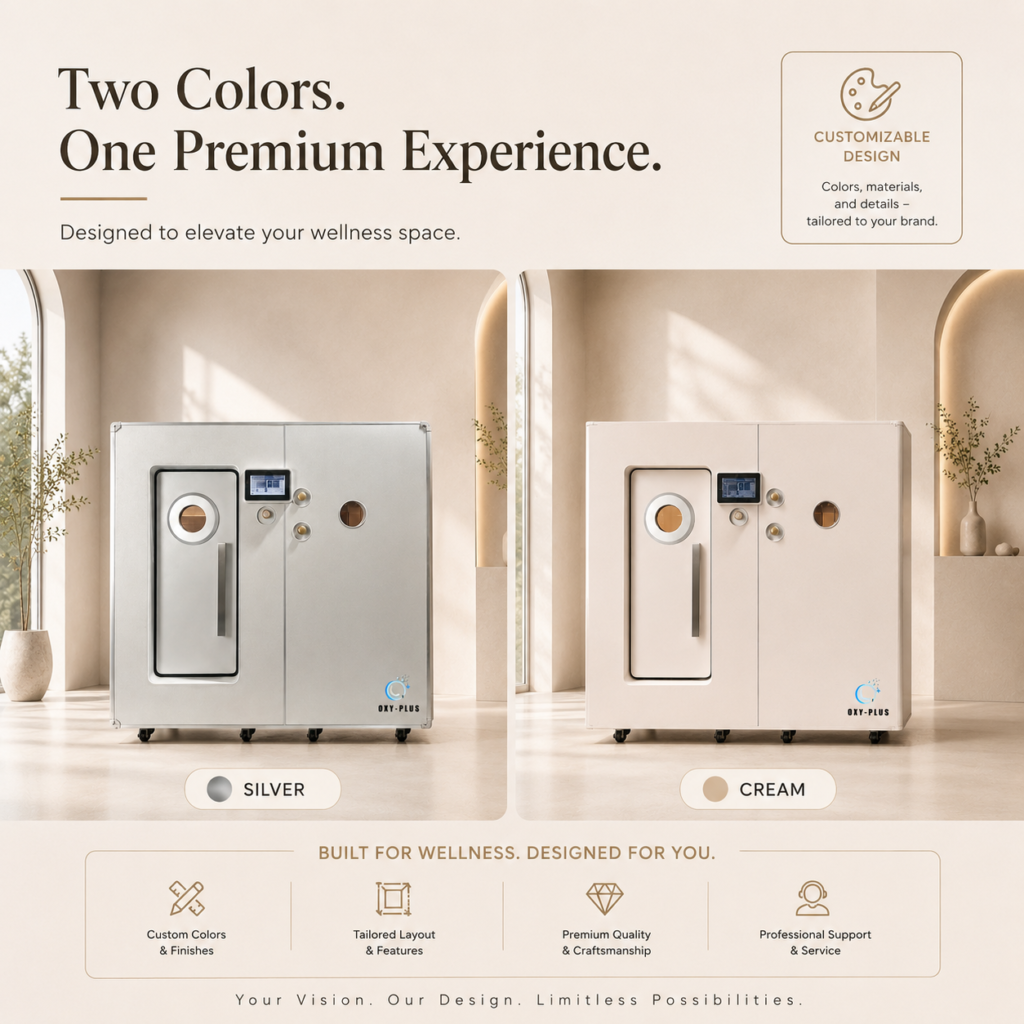
If you’re searching for a hyperbaric oxygen chamber for home use or commercial wellness facilities across Australia, you’ve likely encountered the core debate: soft vs hard hyperbaric oxygen chamber. Both options deliver the benefits of hyperbaric oxygen therapy (HBOT), from accelerated sports recovery to improved recovery and wellness support, but they differ dramatically in structure, performance, cost, and ideal use cases. This guide breaks down every key difference to help you choose the right chamber for your needs, whether you’re a biohacker, a wellness clinic owner, or a home user in HBOT Australia.
What Is a Soft vs Hard Hyperbaric Oxygen Chamber?
When comparing soft vs hard hyperbaric oxygen chamber, the core difference starts with construction. A soft hyperbaric chamber is built with flexible, durable, non-toxic fabric that creates a pressurized environment. These chambers are lightweight, collapsible, and designed for easy transport and setup without permanent installation. A hard hyperbaric chamber uses a rigid, one-piece structure, typically made from acrylic, fiberglass, or metal, to create a fixed, airtight space.
Both types deliver HBOT, which works by increasing atmospheric pressure to help your body absorb more oxygen through plasma, supporting tissue repair and reducing inflammation. Soft models are most commonly available as 1.3 ATA or 1.5 ATA chamber options for wellness use, while hard models can reach higher pressure levels including 2.0 ATA for more intensive applications. In Australia, both soft and hard hyperbaric oxygen chambers are available for home and commercial wellness use, with Oxy-Plus offering options ranging from 1.3 ATA to 2.0 ATA to suit every need.
Why Does the Difference Between Soft vs Hard Hyperbaric Oxygen Chamber Matter?
Choosing between a soft and hard hyperbaric oxygen chamber directly impacts your long-term experience, cost, maintenance, and results. A mismatch between your needs and chamber type can lead to wasted budget, poor performance, or inconvenient setup that discourages regular use. For commercial hyperbaric oxygen chamber setups in Australian clinics, the wrong choice can even impact client satisfaction and daily operations.
If you select a soft chamber when you need higher, consistent pressure for frequent commercial use, you may face more frequent maintenance and inconsistent pressure regulation. Conversely, investing in an expensive hard chamber for occasional personal use when you don’t need higher pressure leaves you overpaying for features you’ll never use. Understanding the key differences helps you make a decision that aligns with your budget, space, and usage goals.
Key Factors to Compare When Choosing Between Soft and Hard Hyperbaric Oxygen Chambers
When evaluating soft vs hard hyperbaric oxygen chamber, these are the most critical factors to compare:
Structural & Pressure Differences
Soft hyperbaric chambers use flexible, reinforced fabric construction. Most models top out at 1.5 ATA, with limited pressure accuracy compared to rigid designs. Hard hyperbaric chambers have a solid, airtight structure that allows for more precise pressure control and can reach up to 2.0 ATA or higher for more intensive therapy.
Cost
Entry-level soft hyperbaric chambers are significantly more affordable than hard chambers, with prices typically ranging from $5,000 to $20,000 AUD. Hard chambers start around $20,000 AUD and can go up to $60,000+ AUD for commercial-grade models, depending on size and features.
Space & Installation Requirements
Soft chambers require very little space and no permanent installation. They can be set up in a spare room, collapsed for storage, and moved between locations easily. Hard chambers require a dedicated space with sufficient doorway clearance and permanent installation, often by a professional team.
Maintenance & Durability
Soft chambers require regular cleaning of the fabric interior and occasional inspection for wear and tear. They are durable for moderate use, but frequent daily use can lead to faster degradation of flexible materials. Hard chambers have a rigid structure that holds up to years of daily commercial use, with minimal maintenance beyond regular system checks.
Safety & Comfort
Hard chambers offer more consistent pressure and a roomier, more comfortable interior for longer sessions. Most soft chambers require users to sit or lie down with limited movement, while larger hard chambers can include seating, climate control, and entertainment options for a more comfortable experience.
Common Types of Soft and Hard Hyperbaric Oxygen Chambers
To narrow down your options, it helps to understand the most common configurations available for HBOT Australia:
Soft Hyperbaric Chambers
Soft chambers are divided into two main categories based on pressure:
1. 1.3 ATA entry-level soft chambers: Designed for occasional home use, general wellness, stress reduction, and sleep improvement. These are the most affordable and portable options for personal use.
2. 1.5 ATA mid-range soft chambers: Suitable for regular home use and light commercial use in small clinics, offering slightly higher pressure for sports recovery and post-workout repair.
Hard Hyperbaric Chambers
Hard chambers come in three primary configurations:
1. 1.5 ATA home hard chambers: Built for frequent personal use in private residences, offering consistent pressure and a more comfortable experience than soft models.
2. 2.0 ATA commercial hard chambers: Designed for commercial hyperbaric oxygen chamber use in wellness clinics, sports recovery facilities, and physiotherapy centers. They handle daily use and deliver higher pressure for more intensive therapy.
3. Multi-person hard chambers: Larger rigid chambers that accommodate 2-4 clients at once, ideal for high-volume clinics looking to maximize session capacity.
How to Choose the Right Hyperbaric Oxygen Chamber for Your Needs
The right choice between a soft vs hard hyperbaric oxygen chamber depends entirely on your use case, budget, and goals:
- For home users on a budget, or those needing portability: A soft hyperbaric chamber is the best fit. If you only use HBOT a few times a week for general wellness or occasional sports recovery, a 1.3 or 1.5 ATA soft chamber will meet your needs at a lower cost. Oxy-Plus Australia offers high-quality 1.3 ATA and 1.5 ATA soft chambers with flexible delivery across Australia.
- For frequent home use, or those prioritizing long-term comfort: If you plan to use HBOT 4+ times per week and have space for a fixed installation, a 1.5 ATA or 2.0 ATA hard hyperbaric oxygen chamber is worth the investment. It will last longer, deliver more consistent pressure, and offer a more comfortable experience.
- For commercial facilities (wellness, sports recovery, physiotherapy clinics): A commercial-grade hard hyperbaric oxygen chamber is the best choice. It withstands daily use, maintains precise pressure regulation, and offers a premium experience for your clients. For smaller clinics starting out, a high-quality 1.5 ATA soft chamber can be a cost-effective entry point.
- For users requiring 2.0 ATA pressure: Only hard chambers reliably reach and maintain 2.0 ATA pressure, so a hard model is your only option for this intensity of therapy.
Common Mistakes to Avoid When Choosing Between Soft and Hard Chambers
Avoid these common pitfalls when shopping for a hyperbaric oxygen chamber in Australia:
1. Overbuying features you don’t need: Many home users overspend on a 2.0 ATA hard chamber when a 1.5 ATA soft chamber meets their wellness needs. Assess your usage frequency and pressure requirements before committing to a higher-priced model.
2. Ignoring space requirements for hard chambers: Hard chambers require clear doorway access and a dedicated, level space. Always measure your entryway and room before ordering to avoid installation issues.
3. Skipping local after-sales support: Some imported chambers don’t include local maintenance or support in Australia. This leaves you stranded if you need repairs or replacement parts. Always work with a local supplier like Oxy-Plus that offers local after-sales support.
4. Assuming hard chambers are always better for wellness: For occasional personal use, a high-quality soft chamber delivers all the benefits you need at a fraction of the cost. There is no one-size-fits-all “better” option – the right choice depends on your needs.
5. Confusing wellness HBOT with medical treatment: Both soft and hard wellness chambers are for general wellness support, and are not a replacement for clinical medical hyperbaric oxygen therapy. Always consult a healthcare professional before starting HBOT for any health condition.
How Oxy-Plus Can Help You Find the Right Hyperbaric Chamber in Australia
As a trusted leading supplier of hyperbaric oxygen chambers across Australia, Oxy-Plus helps clinics, sports facilities, and home users navigate the soft vs hard hyperbaric oxygen chamber decision with expert guidance. Oxy-Plus offers a full range of 1.3 ATA, 1.5 ATA, and 2.0 ATA soft and hard chambers, designed for both home and commercial use in HBOT Australia.
All Oxy-Plus chambers include Australia-wide delivery, professional installation, on-site training for you or your team, and ongoing local after-sales support. Whether you need an entry-level soft home hyperbaric chamber or a commercial 2.0 ATA hard chamber for your wellness clinic, Oxy-Plus’s team of experts can help you select the right model to match your budget and usage needs. You can explore the full range of options on the Oxy-Plus website at https://oxy-plus.com.au to learn more.
Common Questions (FAQ)
Q: Can soft hyperbaric chambers reach 2.0 ATA?
A: Most soft hyperbaric chambers are only designed to safely reach up to 1.5 ATA. Only rigid hard hyperbaric chambers can reliably maintain 2.0 ATA pressure for consistent therapy.
Q: How much does a hyperbaric oxygen chamber cost in Australia?
A: Entry-level soft hyperbaric chambers typically cost between $5,000 and $20,000 AUD, while hard chambers range from $20,000 to over $60,000 AUD depending on size, pressure rating, and features. Oxy-Plus offers transparent pricing for all models to help you budget accurately.
Q: Is a soft hyperbaric chamber safe for home use?
A: Yes, high-quality soft hyperbaric chambers from reputable suppliers like Oxy-Plus are designed and tested for safe home use when operated according to manufacturer instructions. They are ideal for general wellness and recovery use.
Q: What ATA do I need for home HBOT?
A: For most general wellness, sleep improvement, and sports recovery uses, a 1.3 ATA or 1.5 ATA chamber is sufficient. If you are targeting more intensive recovery, a 2.0 ATA hard chamber may be appropriate, after consultation with a healthcare professional.
Q: Do I need professional installation for my hyperbaric chamber?
A: Soft chambers can often be set up with guided support, but professional installation ensures everything is set up correctly for safety and performance. Hard chambers always require professional installation. Oxy-Plus includes professional installation for all chambers across Australia.
Conclusion
When comparing soft vs hard hyperbaric oxygen chamber, there is no universal “best” option – the right choice depends on your usage frequency, budget, space, and pressure needs. Soft chambers offer affordability, portability, and easy setup for occasional home use or entry-level commercial applications, while hard chambers deliver consistent pressure, long-term durability, and higher pressure ratings for frequent commercial use or intensive therapy needs.
Working with a trusted local supplier like Oxy-Plus ensures you get expert guidance to select the right chamber, plus reliable installation and ongoing support for years of use. Whether you’re a home user looking for a personal home hyperbaric chamber or a clinic owner searching for a commercial hyperbaric chamber in Australia, Oxy-Plus has a range of soft and hard options to meet your needs. Visit https://oxy-plus.com.au today to learn more and explore our full range of hyperbaric oxygen chambers in Australia.


