How to Choose Between 1.3 ATA, 1.5 ATA and 2.0 ATA Hyperbaric Oxygen Chambers: 1.3 ATA vs 1.5 ATA vs 2.0 ATA
oxyplus.au@gmail.com
Author
27 6 月, 2026
Published
10 min read
Reading time
If you’re researching hyperbaric oxygen therapy (HBOT) for home use, sports recovery, wellness, or commercial operations in Australia, one of the most critical decisions you’ll make is selecting the right pressure level. When comparing 1.3 ATA vs 1.5 ATA vs 2.0 ATA, each pressure level offers distinct benefits, risks, and use cases that align with different goals. Choosing the wrong HBOT pressure level can leave you underwhelmed by results, expose you to unnecessary safety risks, or lead to non-compliance with Australian safety standards. In this guide, we break down the key differences between these three common pressure options, compare soft chamber vs hard chamber designs, and help you find the right fit for your needs, whether you’re a home user or a commercial HBOT provider.
What Are 1.3 ATA, 1.5 ATA, and 2.0 ATA HBOT Pressure Levels?
ATA stands for atmospheres absolute, the standard unit of measurement for pressure inside a hyperbaric oxygen chamber. At sea level, normal atmospheric pressure is 1 ATA, so any pressure rating above 1 ATA means the chamber holds higher than normal pressure to increase oxygen solubility in the bloodstream. This core principle is what gives hyperbaric oxygen therapy its therapeutic and wellness benefits.
When comparing 1.3 ATA vs 1.5 ATA vs 2.0 ATA, the numbers represent the total pressure inside the chamber:
- 1.3 ATA = 30% higher pressure than normal sea level air pressure
- 1.5 ATA = 50% higher pressure than normal sea level air pressure
- 2.0 ATA = 100% higher pressure (double the pressure) of normal sea level air pressure
Each HBOT pressure level is designed for different use cases, ranging from general home wellness to clinical therapeutic treatment, and they pair differently with soft chamber and hard chamber configurations. Most oxygen chamber Australia options cover all three pressure levels, but understanding their core differences is the first step to making a confident choice.
Why Comparing 1.3 ATA vs 1.5 ATA vs 2.0 ATA Matters Before You Buy
Choosing the right HBOT pressure level is one of the most impactful decisions you’ll make when purchasing an oxygen chamber. It directly affects your safety, the results you’ll see, long-term maintenance costs, and regulatory compliance in Australia.
If you choose a pressure level that’s too low for your therapeutic or recovery goals, you won’t get the increased oxygen saturation you expect, wasting your investment. If you choose a pressure level that’s too high for your needs, you’ll be exposed to unnecessary safety risks, including potential ear barotrauma, lung stress, and higher compliance and maintenance requirements. For commercial HBOT operations, choosing an uncertified high-pressure chamber can also lead to regulatory issues and additional operating costs.
Oxy-Plus, a leading trusted supplier of premium hyperbaric oxygen chambers across Australia, notes that 70% of customer inquiries before purchase relate to choosing the right pressure level, highlighting how critical this decision is for long-term satisfaction.
Key Factors to Compare When Choosing Between 1.3 ATA, 1.5 ATA and 2.0 ATA
When evaluating your options, these are the most critical factors to consider:
Therapeutic Goal Alignment
Your primary use for the chamber will directly dictate the right pressure. General wellness and daily relaxation require lower pressure, while serious injury rehabilitation or clinical treatment calls for higher, research-backed pressure levels.
Safety and Regulatory Compliance
In Australia, pressure levels above 1.5 ATA are classified as pressure vessels, requiring stricter certification, installation, and maintenance to meet regulatory standards. Lower pressure chambers have fewer compliance requirements for home use.
Chamber Type Compatibility
Soft chamber (portable inflatable) designs are most commonly engineered for 1.3 ATA to 1.5 ATA, while hard chamber (rigid shell) models can safely support up to 2.0 ATA and higher for clinical use.
Comfort and User Experience
Higher pressure increases the risk of ear pressure discomfort during pressurization and depressurization, especially for new users or those with sensitive sinuses. Lower pressure levels are generally more comfortable for daily use.
Cost and Maintenance
Higher pressure hard chambers have higher upfront purchase costs and require regular professional maintenance to meet safety standards. Lower pressure soft chambers are more affordable and require less routine maintenance.
Common Types of Chambers by Pressure Level and Design
To understand how these pressure levels work in practice, it helps to break down the most common configurations, pairing HBOT pressure levels with soft chamber and hard chamber designs:
1.3 ATA Chambers
1.3 ATA is the lowest common pressure option for wellness-focused HBOT. It’s almost exclusively found in portable soft chamber models designed for home use. This pressure level delivers a mild increase in blood oxygen saturation, making it ideal for general relaxation, anti-aging beauty treatments, and daily energy support. 1.3 ATA chambers have the lowest barrier to entry for home users, with minimal regulatory requirements and low maintenance needs.
1.5 ATA Chambers
1.5 ATA is considered a middle-ground pressure level that balances effectiveness and safety for most non-clinical use cases. It can be found in both advanced soft chambers and entry-level hard chambers. This pressure delivers a noticeable increase in oxygen solubility compared to 1.3 ATA, making it popular for sports recovery, improved circulation, and mild rehabilitation for minor injuries. For most home users in Australia, 1.5 ATA is often cited as the “golden split” between safety, effectiveness, and regulatory compliance.
2.0 ATA Chambers
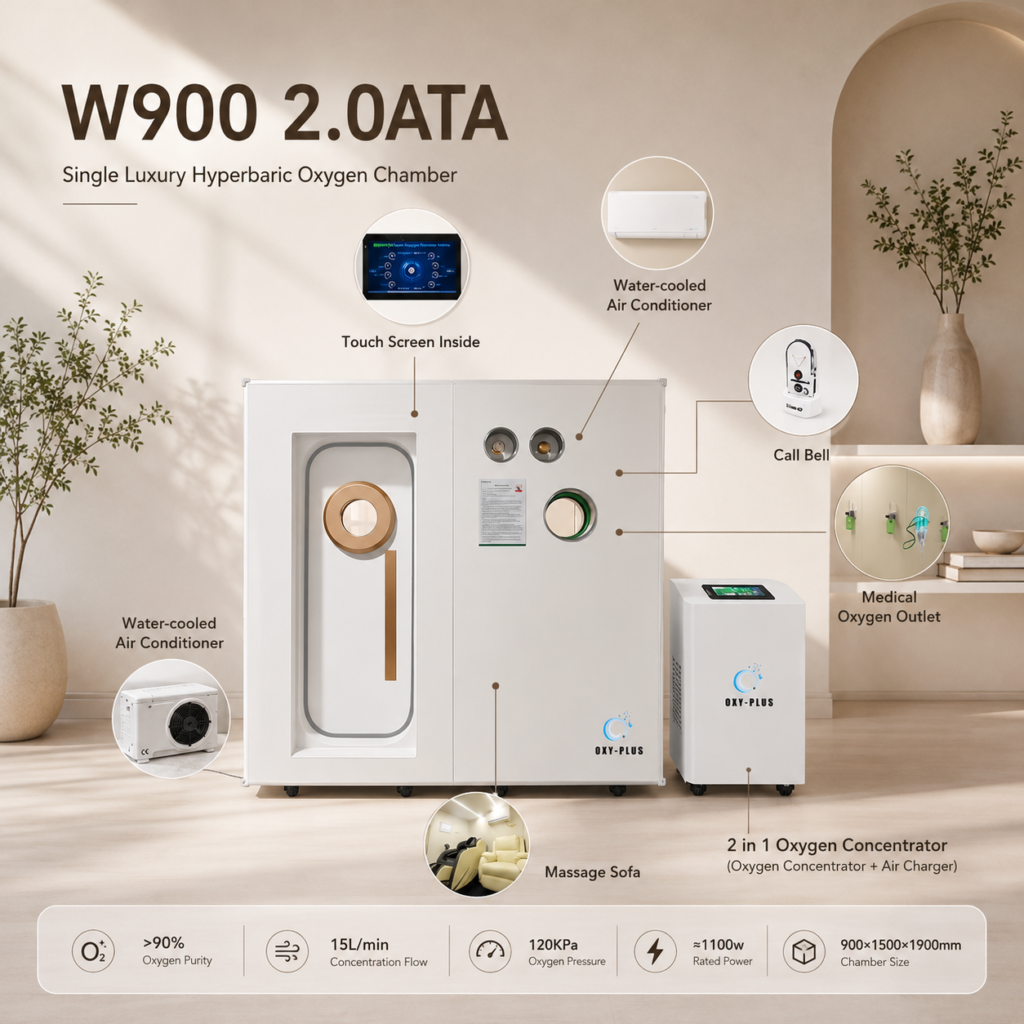
2.0 ATA is the highest common pressure level for most HBOT applications, and it is the standard pressure used in most clinical research on hyperbaric oxygen therapy. 2.0 ATA pressure is only available in rigid hard chamber designs, as soft chambers cannot safely maintain this level of pressure long-term. It delivers significant therapeutic benefits, including enhanced wound healing, support for neurological rehabilitation, and treatment for a range of approved medical conditions. 2.0 ATA chambers require full compliance with Australian pressure vessel regulations, including professional installation and regular safety inspections.
How to Choose the Right Pressure Level for Your Needs
The best pressure level for you depends on your use case, budget, and whether you’re purchasing for home or commercial use:
Home Users
For general wellness, daily relaxation, and mild oxygen supplementation: 1.3 ATA is the ideal choice. It’s affordable, portable, and low-risk for first-time users.
For sports recovery, post-workout healing, and regular anti-aging treatments: 1.5 ATA offers the best balance of effectiveness and safety for most home users. It delivers more noticeable results than 1.3 ATA without the strict regulatory requirements of 2.0 ATA.
For clinical at-home rehabilitation under doctor supervision: 2.0 ATA hard chambers are the right choice, as they deliver the pressure required for evidence-based therapeutic outcomes.
Commercial HBOT Users
For wellness clinics, spas, and beauty centers offering general HBOT sessions: A mix of 1.3 ATA and 1.5 ATA soft or hard chambers works well for most clients, with lower operational and compliance costs.
For sports medicine clinics, rehabilitation centers, and medical wellness practices offering therapeutic HBOT: 2.0 ATA hard chambers are a necessity to deliver research-backed results for clients recovering from injury or surgery.
Oxy-Plus carries 1.3 ATA, 1.5 ATA and 2.0 ATA soft and hard chambers to match every use case across Australia, so you can find a configuration that fits your space, budget, and goals.
Common Mistakes to Avoid When Choosing a Pressure Level
Avoid these common pitfalls when selecting your hyperbaric oxygen chamber:
1. Choosing higher pressure just for “better results”: Higher pressure doesn’t equal better results for wellness use. It only increases your risk and costs unnecessarily if you don’t need therapeutic levels of pressure.
2. Ignoring regulatory compliance for 2.0 ATA chambers: In Australia, any chamber that operates above 1.5 ATA is classified as a pressure vessel, requiring specific certification and inspection. Uncertified 2.0 ATA chambers pose significant safety risks.
3. Assuming all soft chambers can reach 1.5 ATA safely: Many low-quality soft chambers designed for 1.3 ATA claim to reach 1.5 ATA, but lack sufficient safety redundancy. Always check the manufacturer’s rated maximum pressure before purchase.
4. Failing to consult a healthcare provider: If you’re using HBOT for a specific medical condition, always get a recommendation for the right pressure level from your doctor before purchasing a chamber.
5. Overlooking maintenance requirements: 2.0 ATA hard chambers require annual professional safety inspections, while 1.3 ATA soft chambers only require basic routine maintenance. Factor this ongoing time and cost into your decision.
How Oxy-Plus Can Help You Find the Right Oxygen Chamber in Australia
If you’re comparing 1.3 ATA vs 1.5 ATA vs 2.0 ATA hyperbaric oxygen chambers in Australia, Oxy-Plus can simplify your decision. As a trusted local supplier of premium HBOT chambers, we offer 1.3 ATA, 1.5 ATA and 2.0 ATA soft and hard chambers for wellness, sports recovery, beauty, rehabilitation and home use across the country.
All of our chambers meet Australian safety and certification standards, so you can buy with confidence knowing your device is compliant and built for long-term safe use. We provide Australia-wide delivery, professional installation, on-site training for you or your staff, and local after-sales support to keep your chamber running perfectly for years.
Whether you’re a home user looking for a portable 1.3 ATA soft chamber or a commercial clinic needing a 2.0 ATA hard chamber, Oxy-Plus has the expertise to help you choose the right pressure level for your unique needs.
Common Questions (FAQ)
Q: Is 1.3 ATA enough to get real HBOT benefits?
A: Yes, for general wellness, relaxation, and mild oxygen supplementation, 1.3 ATA delivers measurable benefits without putting unnecessary stress on the body. It is the ideal pressure level for daily home use for most healthy people.
Q: Can a soft chamber reach 2.0 ATA safely?
A: No, most portable soft inflatable chambers are not engineered to safely maintain 2.0 ATA pressure long-term. 2.0 ATA pressure requires a rigid hard shell chamber design to meet safety standards.
Q: What HBOT pressure level is best for sports recovery?
A: For most amateur and professional athletes, 1.5 ATA is the best choice. It delivers enough increased oxygen saturation to speed up muscle recovery and reduce inflammation, while remaining comfortable for regular use.
Q: Do I need a prescription for a 2.0 ATA hyperbaric chamber in Australia?
A: Regulations vary by use case, but 2.0 ATA chambers are typically classified as therapeutic devices, and we recommend consulting a healthcare provider before using 2.0 ATA HBOT for any medical purpose. Oxy-Plus can guide you through local requirements when you purchase.
Q: How much does a certified oxygen chamber cost in Australia?
A: Prices range from around $3,000 for a 1.3 ATA soft chamber to over $20,000 for a 2.0 ATA hard chamber, depending on size, features, and certification. Oxy-Plus offers options to fit every budget for home and commercial use.
Conclusion
When comparing 1.3 ATA vs 1.5 ATA vs 2.0 ATA hyperbaric oxygen chambers, the right choice comes down to matching the pressure level to your primary use, budget, and safety needs. 1.3 ATA is perfect for entry-level home wellness, 1.5 ATA offers a balanced middle ground for sports recovery and regular home use, and 2.0 ATA is the gold standard for clinical and therapeutic applications.
Always prioritize certified, regulation-compliant chambers from a trusted supplier to avoid safety risks, and consult a healthcare provider if you’re using HBOT for a specific medical condition. If you’re ready to explore your options for an oxygen chamber in Australia, reach out to the team at Oxy-Plus today to discuss your needs and find the perfect pressure level and chamber type for your home or commercial HBOT business.